Oy vey iz mir did I get myself into something.
By Paul Mavis
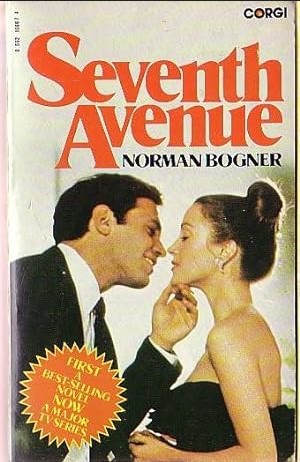
Do you know how hard it was to track down a copy of 1977’s Seventh Avenue, the third installment of NBC’s experimental “miniseries series,” Best Sellers, based on the 1967 Norman Bogner novel of the same name? $30 bucks worth of difficulty, that’s how hard, bubuleh (and will I get reimbursed for that? My editor’s on his third month of rehab…so that’s a “no”). Unlike the other Best Sellers miniseries (Captains and the Kings and Once an Eagle, both of which I’ve already reviewed, as well as the upcoming The Rhinemann Exchange) which all have been around forever on VHS and DVD and even streaming, Seventh Avenue has been totally M.I.A. on the home video front.
It’s not even available for free on YouTube or Dailymotion, where you can find anything. So me and my big mouth, promising you readers in the last two Best Sellers reviews to write about all four minis, had to track down a bootleg service and cough up a lot of shekels to get a DVD copy of a VHS dub of a VHS off-air recording. And let me tell you something: after years and years of 75″ monitors and 4k Blu-ray transfers…it wasn’t pretty (did we really watch television like that?). Baruch Hashem for TrueTvMovies.net, though, for even having a copy of this next-to-impossible-to-find title: I hope this shout-out results in future shipping discounts, you beautiful and intelligent mensches over at TrueTvMovies.net, your first and last stop for holy grail DVD titles (what…too much?).
Enough of this shmegegge; let’s get to the spiel (that is, if you’re still able to read it at this point: lately, the internet’s myriad algorithms are pretty quick in suppressing anything they read as “pro-Israel,” in service of our outraged, terrorist-loving white liberal Democrat anti-Semitics). Seventh Avenue, written by Laurence Heath (and who knows—maybe Bogner himself, too, since he was working as a highly-paid Hollywood script doctor at the time), directed by TV vets Richard Irving and Russ Mayberry, and starring a terrific cast including Steven Keats, Dori Brenner, Jane Seymour (I’m schvitzing here…), Anne Archer, Kristoffer Tobori, Herschel Bernardi, Richard Dimitri, Jack Gilford, Mike Kellin, Alan King, Ray Milland, Paul Sorvino, Eli Wallach, William Windom, John Pleshette, Brock Peters, Anne Berger, Josh Mostel, Richard Kline, and, inexplicably, Gloria Grahame, premiered on February 10th, 1977, and ran for three weeks. It was not a success in the ratings, nor did it generate much publicity buzz for NBC’s struggling Best Sellers umbrella (that I could find). It did, however, later generate two Emmy nominations for Keats and Brenner—both losers.
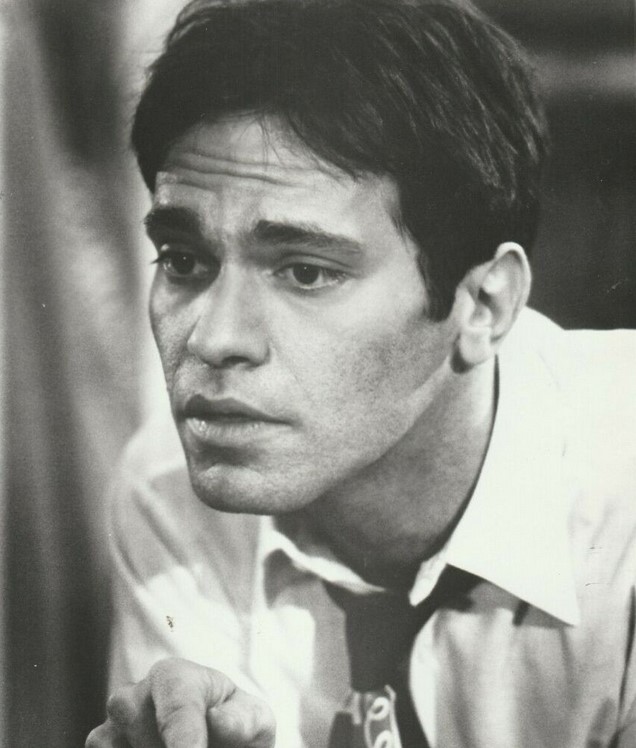
New York City, December, 1938. FDR has declared the Great Depression over (I guess he felt like he had extended it long enough), but hustling, brawling, Jew charmer Jay Blackman (Steven Keats) wouldn’t know it: he’s literally starving. Running into his friend, Barney Green (Josh Mostel), who’s MCing a wedding, Jay tags along and crashes it, pretending to be a waiter and a barman so he can steal food and drinks. Jay sees another neighborhood friend there, Joe Vitelli (Herschel Bernardi), a fabric cutter for shifty manufacturer Marty Cass (John Pleshette). Vitelli is amused, as always, by Jay’s indomitable chutzpah, but so is Cass, who’s impressed by Jay’s back-talk (“As one crook to another…I like your style,”). Cass gives Jay his card, and tells him to stop by his factory over on Seventh Avenue, in the heart of New Yawk City’s bustling Garment District.
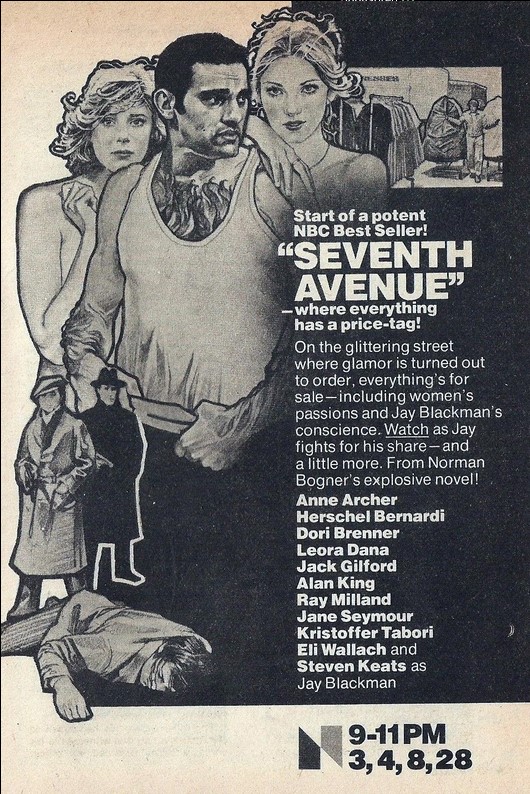
Virginal Rhoda Gold (Dori Brenner) also notices the handsome, brash Jay, and, surprising herself with her own forwardness, invites Jay to be her date at the wedding, so he doesn’t have to cage the hors d’oeuvres. Jay isn’t impressed when he learns how little Rhoda makes as the long-time manager of Finklestein’s (Jack Gilford) dress shop; Jay wants a lot of money, and he wants it fast. You see, Jay lives on the Lower East Side of Manhattan, and he hates the freezing winters, the smell of rotting garbage in the fetid summers, the rats and the cockroaches (“It has something for everyone!” he sneers).
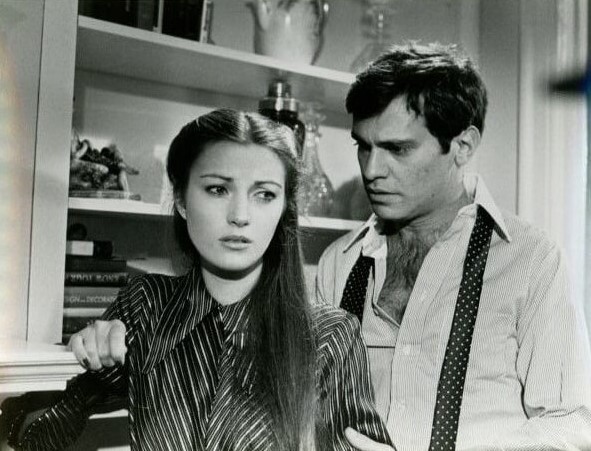
He wants out, so he can send his beloved younger brother, Al (Kristoffer Tabori) to college, and rescue his loved/hated father, Morris (Mike Kellin), from the depths of his own great depression, brought on by chronic unemployment. When his father, too proud and embarrassed to eat the potato pancakes Jay stole from the wedding and contemptuous of his thieving son, calls him out, Jay answers with his own all-encompassing self-evaluation: “I take because nobody gives!”
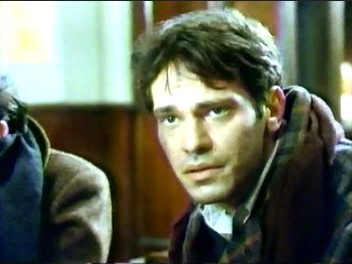
Of course, Mameshi knows best. Jay’s mother Celia (Anne Berger) is far more practical about Jay’s grubbing, but also far more wiser about the end result: “Most people don’t find what they’re looking for,” she warns her raging, unhappy son. When Jay loses his for-pennies job unloading trucks at the fish market, he’s approached by another neighborhood friend, Frank Topo (Richard Dimitri), a sharp-dressed hood working for “The Family.” He wants Jay as his new numbers-runner in Chinatown. Jay knows it’s an impossible job (“You want money, you take chances,” teases Topo), and turns Frank down.
Instead, Jay heads over to Finklestein’s store, to see Rhoda, who invites him home to meet her kvetching sister, radical pseudo-intellectual sculptress, Myrna Gold (Anne Archer), who believes “primitivism” is the defining vision of the 1930s (yep…one of those), and who dates little lap dog schleps like Howart Horton (Richard Kline). Of course Jay immediately smells the chazerai coming off this phony, but he sticks around to see what little he can get off Rhoda…or maybe Myrna (yep…he’s one of those).
RELATED | More ‘Best Sellers’ reviews
Confident of getting a job at Marty Cass’ small dress design company, Jay is disabused of this notion first by his friend Joe Vitelli, who tells Jay it’s a much rougher trade than he realizes, and that Marty promises more than he can deliver, and then by Marty’s macher of a father-in-law, Harry Lee (Alan King), one of the kings of the Garment District. The impatient, shrewd Lee quickly sizes up Jay as a non-entity and dismisses him (“Salesmen I don’t need…buyers I need,”).
Dejected but never defeated, Jay succeeds in sleeping with a besotted Rhoda on New Year’s Eve, where she makes the fatal mistake of every “good girl” by telling this meshuggeneh that she loves him, and that she knows, eventually…he’ll love her (riiiiiiiiiiight). After Rhoda hires Jay as a floor salesman, Jay realizes his way with women will make him a success in the rag trade. He wants to know everything the highly-competent Rhoda knows about the business (…so he can use her like a schmata for his own gain and then dump her).
Too bad she gets pregnant. Myrna tells her to get an abortion like she did (it’s just a “collection of cells” she helpfully offers—yep, no mistaking this is mid-70s network TV), but Rhoda won’t have it. Meanwhile, an unknowing Jay is pushing Rhoda to go in with him on buying their own dresses and selling them on Finklestein’s floor, pocketing the money for themselves. When that proves profitable—but not profitable enough for the ever-hungry Jay—he badgers her into agreeing to their own store, with the revolutionary idea of selling all their dresses (mostly knock-offs and odd lots and bankruptcy pickups) at just $2 dollars. They only need $2k for the store and remodeling…which Jay finesses from Rhoda’s outraged father when Jay finally agrees to marry swelling Rhoda.
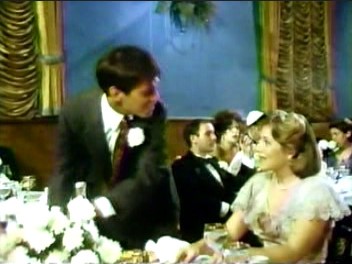
Funny thing about the wedding, though: down in the reception hall, Jay makes a play for horny Myrna and she likes/hates it, with a contemptuous Jay vowing one day she’ll beg him for it, anytime or any place he demands. Oh, and Rhoda overhears all this. It’s okay, though…Myrna really is a tortured lesbian who only wants Jay to make her into a “real woman” (do you believe this mishegas?).
And that’s just Part I of Seventh Avenue! Without spoiling this potboiler for you, things get even busier when unbelievably lush married model-turned-designer-turned-Jay’s lover-turned-actual lush Eva Myers (the incomparable Jane Seymour) shows up on the scene, as well as impossibly contemptuous goy landlord tycoon Douglas Fredericks (Ray Milland), who becomes involved with the mob and the unions, in an effort to stop Jay’s rise to the top of the rag trade.
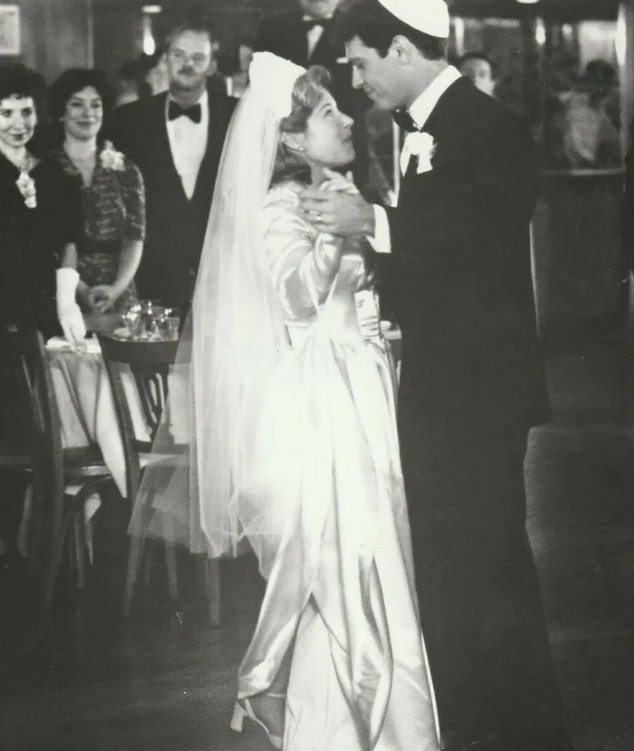
Whew! Easily the busiest—and most crudely entertaining—entry so far in the Best Sellers series, Seventh Avenue, like its anti-hero protagonist, Jay Blackman, really moves. It’s impossible to be bored by it. And like the other entries so far in NBC’s umbrella series, it’s entirely probable that a lot of deeper nuances in the source novel were left out of this screenplay—not only for time considerations, but no doubt for self-censorship issues, as well. After all, we’re talking about 1977, when network TV was still quite rigid over potentially touchy subject matter. I’ve never read Bogner’s historical novel, but I would have to assume that there were in it more in-depth explorations of issues such as anti-Semitism, radical Jewish politics during the 1930s, and unions versus the mob, all of which are suggested and hinted at here, but never really spelled out or fully explored.
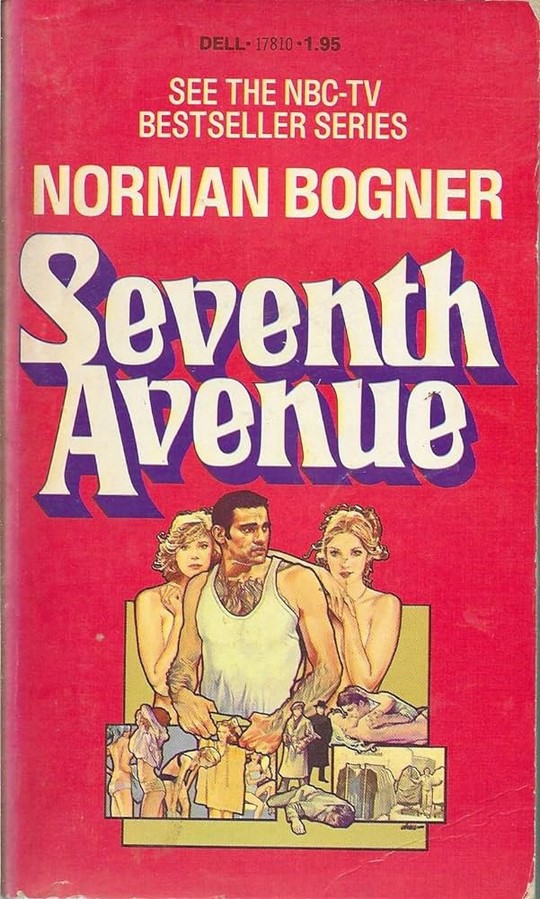
But then again…maybe Bogner was just a hack and he churned out a superficially engaging meller to sell units (anyone who’s read the novel please comment below and help us out). Which is fine by this hack. And while I may wish that Seventh Avenue had dug just a little bit deeper into these potentially fascinating sidebars, ultimately, it doesn’t really matter much. I don’t watch mid-70s TV minis for history lessons. For that matter, anyone who watches TV from any decade looking for even the beginnings of a “real education” on any subject, is on a fool’s errand (relax. It’s just television. Don’t have a kanipshin).
Looking up a few stats just to ground myself on where, exactly, the Garment District held place in America’s clothing manufacturing history, I was frankly astounded at the numbers. At one point, over 100,000 people worked there, providing over 70% of all the clothes made in America. In 1960, over 95% of all our clothes were made in the U.S. (today: it’s a mere 2%. Thank giant retailers like J.C. Penny going overseas for their cheap products, and globalist commie politicians like creepy Clinton and his nefarious NAFTA for ending tariffs and decimating manufacturing and the American workforce).
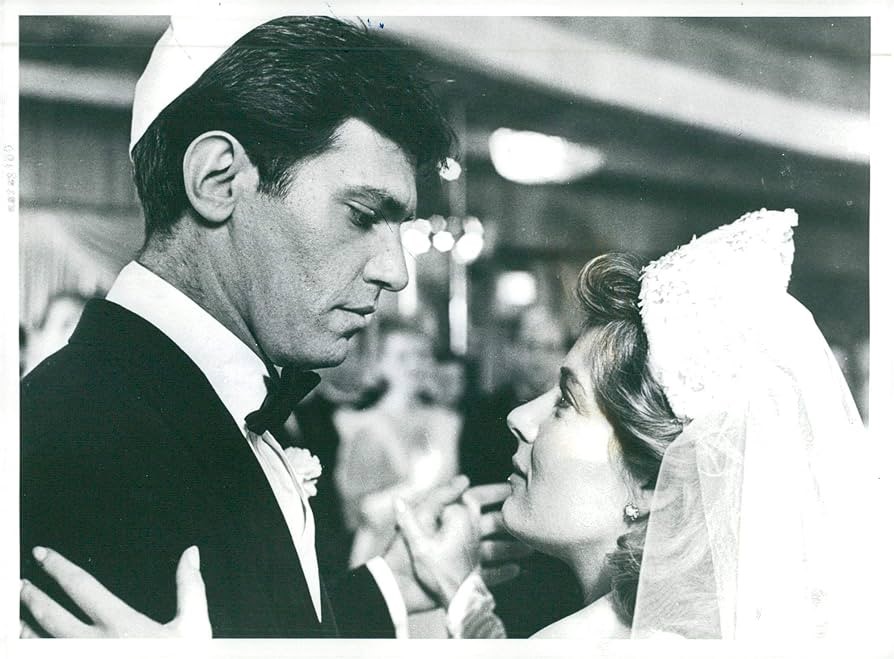
In Seventh Avenue, there’s just one solitary mention of that impending doom (they knew all this was coming, even in 1977), when Bernardi’s union leader warns not to push the manufacturers too hard on wages, or they’ll go overseas for cheap labor. I wish Seventh Avenue would have done a better job of bringing to life the Garment District—and the overwhelmingly Jewish contribution to it—in the mini. It really should have been a “main character” in the story. However, the cheap budget obviously precluded that; we never feel we’re actually there (or, prosaically…the suits thought people would be more interested in the sex scenes). It could only have helped bring into sharper relief the portrait of starving, angry hustler Jay Blackman finding initial monetary success there…before realizing that kind of success has nothing to do with being happy.
Looking back on network TV’s scant track record in detailing anything to do with the Jewish experience here in the United States (ironic, of course, when you factor in the plethora of Jewish writers and producers and directors working in a medium that homogenized so much of their content), it’s still rewarding—in whatever little capacity—to see Seventh Avenue deal with such an influential segment of American history that was so little explored on television. After watching Seventh Avenue, I’m still up in the air as to whether the miniseries deliberately downplayed the “Jewishness” of the content, or if it simply assumed the mantle of telling a story that just happened to feature all Jewish characters (I’m leaning towards the former, but the latter was an admirable goal in and of itself).
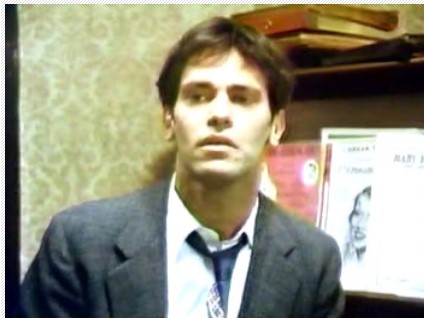
Had NBC known what was coming with ABC’s Roots, which premiered just a few weeks before Seventh Avenue (and remember, nobody thought Roots was going to have that kind of massive impact—if anything the general network consensus was that it could very well flop), NBC could have done more to emphasize the Jewish history aspects of Seventh Avenue, and thereby helped themselves to more of a promotional hook with viewers suddenly hungry for such content. If I was at NBC at that time, when the first overnights for Roots came in, I would have immediately suggested Seventh Avenue be re-titled, RAGS, in big block letters, and start promoting the shit out of it as “the saga of an American Jewish family.” You laugh…but I guarantee it would have doubled its Nielsen share.
What is here in Seventh Avenue is a diverting, driving meller with lots and lots of romantic and sexual subplots that are constantly churned through to keep the viewer from noticing the rather inexpensive production design (love those modern skyscrapers in the 1930s cityscapes and all the shag haircuts) and the reliance on ultra-square head-and-shoulders lensing (it’s a good thing most of the actors are interesting, because this thing looks really dead). Politics and economics aside, the main thrust of Seventh Avenue isn’t at all innovative or unique: a charming, lecherous anti-hero who steps on as many people as he can on his way to the top, while using three women—three always seems to be the magic number with these kinds of melodramas—taking more from them than he’s willing or indeed able, to give back. Who hasn’t seen that before?
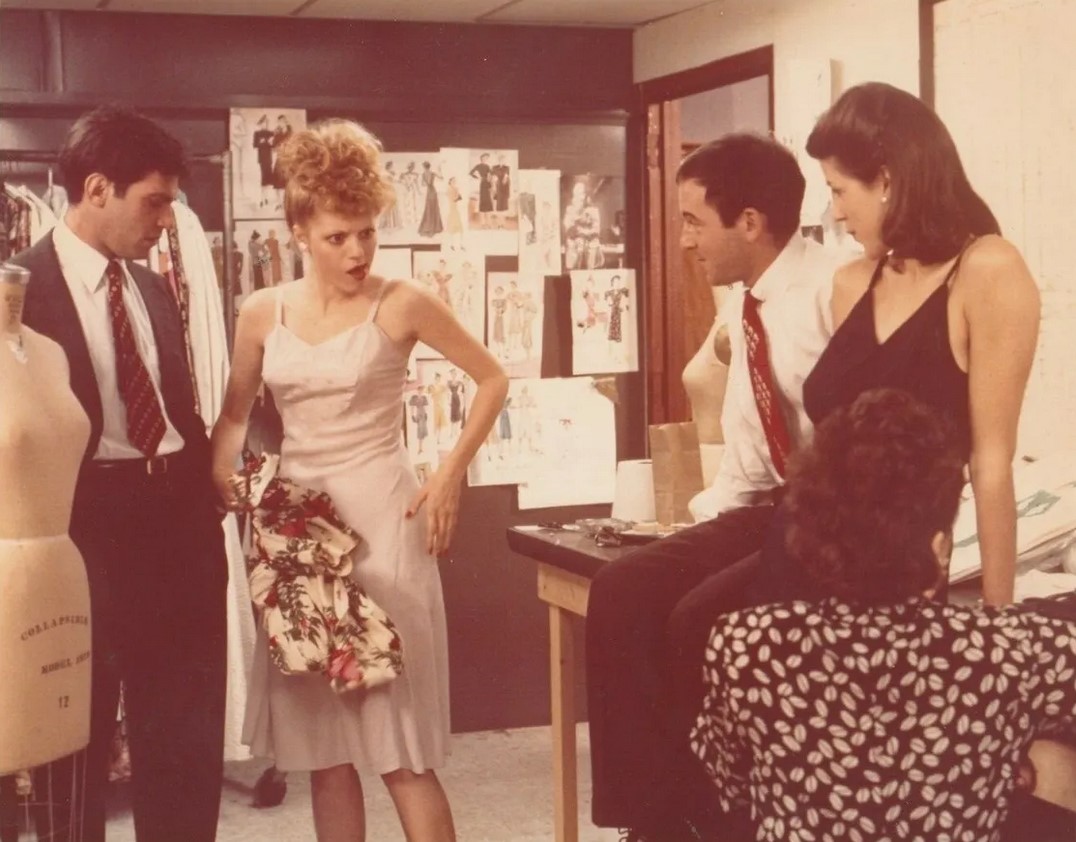
And so if the main storyline is ultimately a romantic rehash, Seventh Avenue‘s success is contingent on its various colorful subplots, and the large casts’ performances. If Seventh Avenue‘s exploration of the Garment District and its Jewish influence is comparatively scant, it still manages to give us a basic primer on an industry in a specific time and place that may indeed be foreign to a lot of viewers. The show’s best example of this is Eli Wallach’s Gus Farber character. A former fabric cutter, Farber has moved up to “dress jobber.” However, as Herschel Bernardi stated, the garment business is cutthroat, and men are indeed ruined by it, even at times being driven to suicide. Farber is either an incompetent businessman or simply unlucky; either way, he’s shown constantly scrabbling and begging his way through his business, trying to sell items no one wants, and trying to get money to save himself, that no one wants to give him. It’s a compelling subplot (with a typically professional job by the always welcome Wallach), but it’s over in the first part.
Still, Second Avenue gives us quite a bit of detail into how the garment business works, through Jay’s machinations, before it morphs into a legitimate “mob movie,” where he’s threatened and harassed and finally attacked by underworld forces that wish to infiltrate both the garment unions and the manufacturers themselves (this surprisingly action-filled subplot alone would make a great stand-alone movie). Other subplots like Jay’s morose father (the typically grotesquely sputtering Mike Kellin) getting back his dignity, or Jay’s brother’s education, war exploits, and eventual job as a D.A., are introduced…only to be immediately ignored, shoved aside for the romantic tanglings of the main character (I guess they couldn’t get Peter Strauss for the Al Blackman character, so they hired his lookalike, in a completely invisible, ineffective performance by Tabori).
RELATED | More 1970s TV reviews
Herschel Bernardi is quietly effective as the experienced, grounded voice of reason for Jay (only towards the end, when the specific nature of his involvement with the whole “unions versus the mob” subplot is fuzzed-out, does he fade into the background). Jack Gilford has a tiny role as a seemingly benign shop owner (who’s ready to cut out his loyal, long-time employee Rhoda just to make more money); the result is strange rather than successful (that whole “I’m asleep standing up, but not really” bit doesn’t work). John Pleshette gets “sleazy incompetent” right on the money, while the hilarious Richard Dimitri—whom I know only from comedy roles such as When Things Were Rotten and The World’s Greatest Lover—comes off extremely well as the silky, sinister gunsel. Equally impressive as a dramatic actor is comedian Alan King (the more I see him in dramatic roles, the better I like him) as the tough, pugnacious fabric king, Harry Lee (that quality he had in his comedy routines, of being more angry than funny, works far better when he did straight roles).
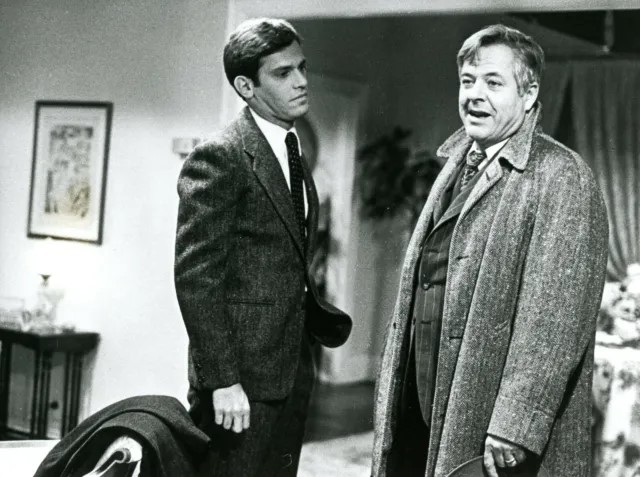
Ray Milland shows up with his patented, “The very smell of you makes me faintly ill” shtick (god I miss actors like him), while William Windom (one of my all-time favorites), makes probably the strongest impression in Seventh Avenue, playing its weakest character (a specialty of his). Alternately whining and angry, the jealous older husband to Jane Seymour, traveling salesman Windom makes you physically cringe when he starts crying about not making any sales, ordering and then pleading with Seymour to go to bed with him (“I just can’t when you beg,” she says, trying not to vomit out of disgust and embarrassment), before he eventually hits his lowest of lows. When he catches his wife and Jay playing grab-ass in his own apartment, he doesn’t shoot Jay, but rather himself, after weakly offering to his wife, “I’m used to being the victim.” Windom, as always, is terrific in a completely unsympathetic role.
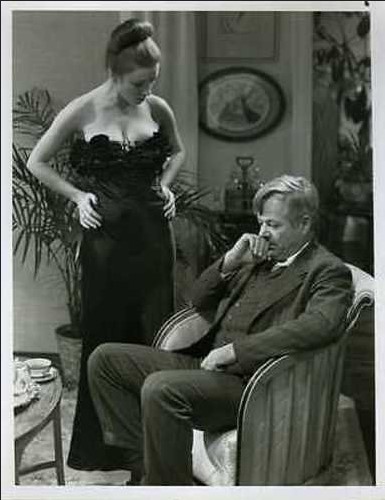
As for Seymour and the rest of the attractive ladies who vie for Jay’s attention, the English rose beauty comes off best. Wearing a gorgeous, sexy strapless gown, her more-than-impressive decolletage just millimeters from being fully exposed, Jay leeringly asks what we all already know: “What holds it up?” to which she smiles and replies, “Stretched elastic,” (If I had seen that at 12 yrs. old, I would have fainted). It’s easy for Seymour to be beautiful, but she acquits herself quite well in the more difficult dramatic scenes, particularly when she breaks down at the hands of violent rapist boyfriend Dimitri. Anne Archer, wearing that always-present 10 yard squint that seems to indicate a seam is catching her wrong somewhere, can’t get across “pretentious Jewish intellectual” any better than “lesbian” (not that they really give her a chance to here—just having her say she was one, was pretty bold for ’77). However, she does the whole “push me, pull you” attraction/revulsion well with Steven Keats.
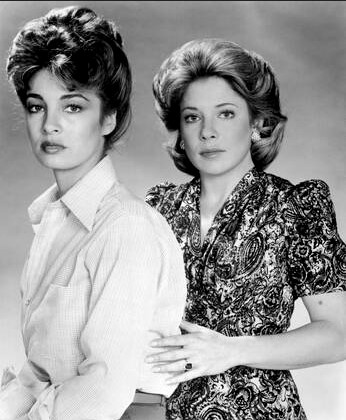
Despite the Emmy nod, Seventh Avenue‘s biggest mystery is Dori Brenner, in the key role of meydele Rhoda. Prettier and more confident than what her opening incarnation of a shy, house-bound virgin just looking for a nice Jewish husband calls for, Brenner isn’t sexy enough nor frankly a compelling-enough actor to make us think horndog Keats would keep coming back for more and more once he had her (we totally buy he’d cheat on her, though…). She’s really just a cypher in Second Avenue, when her character needs to make just as strong an impression as Keats’ (and what one-time screen legend, now sadly fallen has-been Gloria Grahame is doing here in a blink-and-you’ll-miss-it cameo, is anyone’s guess).

And that leaves us with Steven Keats (whom I always enjoyed), who has to anchor these six hours with a character we really shouldn’t like at all. Is he successful? Well…yes and no. A strong, compelling character actor, fitted perfectly into the post-The Graduate/The Godfather time period where un-handsome handsomeness and ethnic looks were big “pluses” with casting directors, former Vietnam combat vet and theatre actor Keats had the misfortune of bagging his single best role in his best movie, right out of the gate: supporting Robert Mitchum in the brilliant gangster movie, The Friends of Eddie Coyle. He followed this considerable feat up with supporting turns in big and/or notable movies like Death Wish, The Gambler, Hester Street, and Black Sunday. Critically, however, they were only supporting roles; he could never manage a big starring role in a big movie.
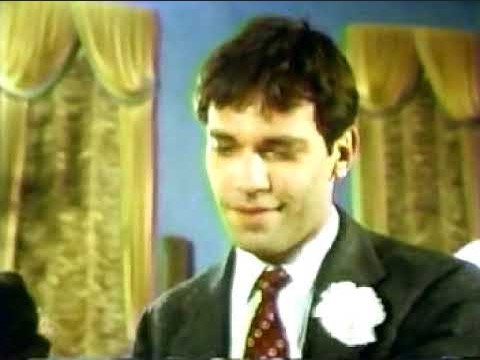
Was it because of his unconventional looks (the only guy who could pull off the gapped teeth was Terry-Thomas…and he did it with laughs)? Perhaps. More likely it was Keats’ choice of projects. Importantly, he took TV roles at the same time he did movies, and at that time, Hollywood would have pegged him as a “lightweight” for switching back and forth (he probably should have stayed exclusively with the big screen). The studio suits weren’t going to cast him in a leading role when he was appearing regularly, for free, on people’s TVs in series like Griff, Toma, and Kojak (at that time, if you played the small screen, in supporting roles, the movie casting directors only thought of you as small potatoes).
As well, aside from his talent, his personality, that indefinable “X factor” that projects on the screen, was strictly “supporting,” not “leading.” He does well enough here in Seventh Avenue, whenever he’s shown to be the hustling meshuggeneh, but as a romantic lead who could believably bag the likes of Seymour and Archer? It simply doesn’t work (my gorgeous wife, who knows about these things, didn’t buy him for a second). He’s just fine in Seventh Avenue, but that’s the problem: he’s no better or worse than all the competent actors that make up the rest of the cast. He simply doesn’t stand out in a compelling way that would make casting directors seek him out, nor audiences demand to see him again.
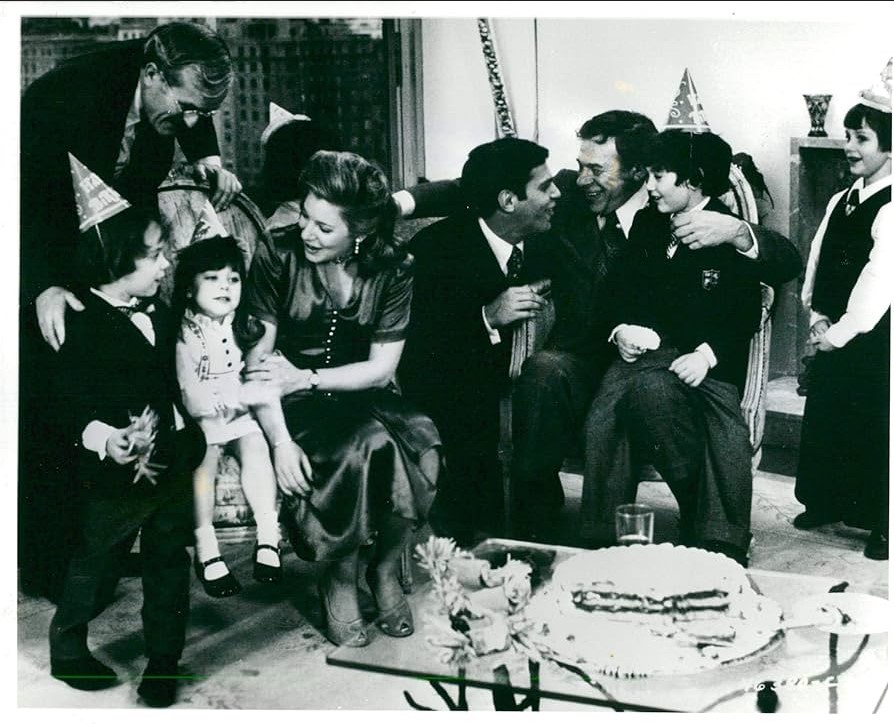
In this career peak year of 1977, despite this rare lead role on TV, and a prominent supporting turn in a big-budget action movie, Black Sunday (maybe if it had been a blockbuster?), his career actually dived. Within a year, he was doing anything put in front of him, including cheap TV stuff like Greatest Heroes of the Bible and Mysterious Island of Beautiful Women, and bits in B fodder like Sunn Classic‘s Hangar 18. Keats worked steady in the 80s, but insignificant roles trailed off in the 90s, before he committed suicide in 1994. No reason has ever been made public (my money’s on the Vietnam/career combo), but it was a sad end for an actor that could have had a different career, if perhaps he just seen himself as a different type of actor.
Best Sellers‘ third entry, Seventh Avenue, had most of the same Thursday night competition its previous two minis had, including popular line-ups on CBS (lots of drama and action with The Waltons, Hawaii Five-O and Barnaby Jones) and ABC (lots of laughs with those f*cking sweathogs on Welcome Back, Kotter, What’s Happening?, Barney Miller, The Tony Randall Show, and Karl Malden’s nose on The Streets of San Francisco). Had these Best Sellers minis been marketed and exhibited as “true” minis, as promotional “happenings” on consecutive days, they might have had some ratings’ punch. The weekly single installment plan, however, just didn’t work (NBC must have thought these minis were no different than their regular series umbrella packages, such as Columbo, McCloud, and McMillan & Wife. Wrong). Next time, we’ll look at the final Best Sellers offering, an adaptation of Robert Ludlum’s incomprehensible The Rhinemann Exchange, starring terrific actors like Larry Hagman, John Huston, Roddy McDowall, Rene Auberjonois, Werner Klemperer, Claude Akins, Lauren Hutton, the always fine Jeremy Kemp, hairy Vince Edwards…as well as that pedo, Stephen Collins. See you then!
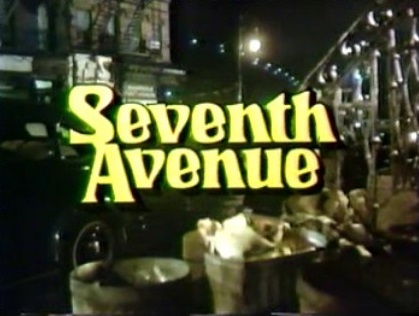
Read more of Paul’s TV reviews here. Read Paul’s film reviews at our sister website, Movies & Drinks.


I was going to mention Steven Keats’ suicide, but you did that above. It’s very sad for a good actor. I remember 2 appearances he made in the 1980s, 1st in VOYAGERS, whose lead actor, Jon-Erik Hexum, shot himself by accident, then later on TWILIGHT ZONE, where he & Lorna Luft play parents of a little girl, and they’ve all been invited to a “Children’s Zoo”.
Dori Brenner is also no longer with us. A year after this miniseries she appeared on LOVE BOAT as the abandoned (in childhood) daughter of a ship steward played by Bob Crane, in his last tv acting appearance before he was murdered that summer. I remember ABC reran their episode not long after his murder, so 2 days after the murder it was creepy seeing a clip of him from that episode in scenes from the next week’s episode. She later appeared in a 1980s flop sitcom called THE CHARMINGS as the neighbor of Snow White & Prince Charming, who due to a spell set by Show’s witchy stepmother ended up somehow in modern-day LA. She acted through the 1990s before dying of cancer complications in 2000.
LikeLiked by 1 person
I knew Keats had died young but not that he had committed suicide. His performance in Hester Street must’ve heavily influenced his casting in this miniseries. In that movie he plays a very similar hyper-aggressive guy who works in the garment industry and cheats on his wife.
LikeLiked by 1 person
anyone know how I can get a vcr or something of 7th ave
LikeLike