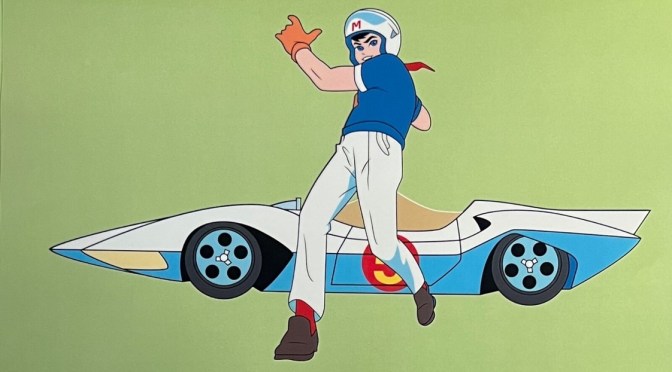
Now this one I can still feel.
By Paul Mavis
Last week I was crying about not being able to enjoy some childhood cartoons, like H-B’s Help!…It’s the Hair Bear Bunch! because I was older and it wasn’t as funny to me any more or whatever it was that was up whatever particular ass I had that day (jesus: why don’t you write about how sad it is for a grown man to be crying about cartoons? Who the hell asked you to join in? No, just stay out of it―let them argue. I can’t discuss this if they’re going to be reading along! You’re such a goddamn baby about everything, Marcia Lynn Dorsett! How is any of this helpful? Oh shit…here comes Vicky Scharleau! Ooh! Ooh! the people! the people! Goddamit Sybil Isabel Dorsett, you didn’t watch that cartoon yesterday―it was five years ago! Put down that axe, Peggy Lou Baldwin!….)
Sorry; we’re all quiet now. Anyways…I was doing some fall thinning in my vast subterranean DVD vault, deep within the bowels of the Earth, and I came across an old Lionsgate repackaged Speed Racer – The Complete Classic Collection (in a metal tin shaped like the Mach 5), featuring all 52 episodes of the iconic 1960s Japanese/American anime, and I was immediately taken back.
Click to order Speed Racer: The Complete Series on Blu-ray:
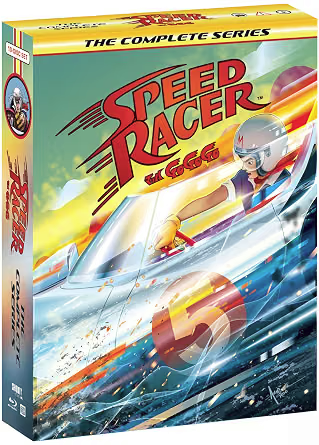
(Paid link. As an Amazon Associate, the website owner earns from qualifying purchases.)
Those fall days, before streaming, before DVD and VHS, before cable, running home after school, to catch all the coolest rerun and syndicated shows from the coolest TV station in my tri-state area: Detroit’s WKBD Channel 50. They had everything, from Japanese imports like Speed Racer and Kimba, to the best syndicated U.S. fare: Star Trek, Mission: Impossible, U.K.’s The Avengers and The Saint, The Munsters and The Addams Family, The Little Rascals, The Brady Bunch, Hogan’s Heroes, and Highway Patrol (just to name a few), along with hundreds of old, classic movies hosted by gods like Bill Kennedy, The Ghoul, and Sir Graves Ghastly.
It was strictly fate: I may never have known any of these shows back then, had it not been for my old man’s pissing contest with the rest of the neighborhood to have the biggest, shiniest Channel Master antenna on any roof, and a peculiar, one-in-a-million geographic and atmospheric-combined anomaly as to the positioning of our house and surrounding trees, that let said antenna pick up a crystal-clear television signal 75.7 miles away like it was being broadcast right outside our house.
Holding that tin Mach 5 brought back all those memories in sharp horizontal and vertical hold, and I felt drawn―compelled!―to watch that toon again.
Originally conceived as a Japanese manga in the early 1960s by legendary anime artist, Tatsuo Yoshida, Mach GoGoGo, the story of a young race car driver, Go Mifune, was inspired not only by Yoshida’s earlier manga, Pilot Ace, but also, according to interviews with the artist, two big-screen American films: Viva Las Vegas and Goldfinger.
Anyone looking at the character who would become known as “Speed Racer” can see the obvious stylistic nod to Elvis Presley (including his black pompadour and even his red sport coat and skinny tie in early episodes), as well as the Bondian tilt in not only the design of the Mach 5 (just like the Aston Martin, with all its technical marvels), but also in the scope and framework of the stories, with their globe-hopping intrigue and emphasis on quick, violent action.
Mach GoGoGo proved popular enough in Japan to be translated into an anime series in 1967 (animated at Yoshida’s Tatsunoko Productions studio), with the one-season series then exported to America for syndicated runs by Trans-Lux. Obviously in need of an overhaul for American audiences, the Japanese-language series was handed over to Peter Fernandez, an editor, writer, and sound effects jack-of-all-trades who had previously worked on Japanese imports, Astro-Boy and Gigantor, two animes that set the stage in America for the massive success of Speed Racer.
Fernandez, in charge of not only editing the episodes for American TV (very small, minor cuts occasionally had to be made, to tone down the original violence of the Japanese episodes), but also in providing an entirely new dub track, rechristened Mach GoGoGo as Speed Racer, while Fernandez himself voiced Speed and the mysterious Racer X.
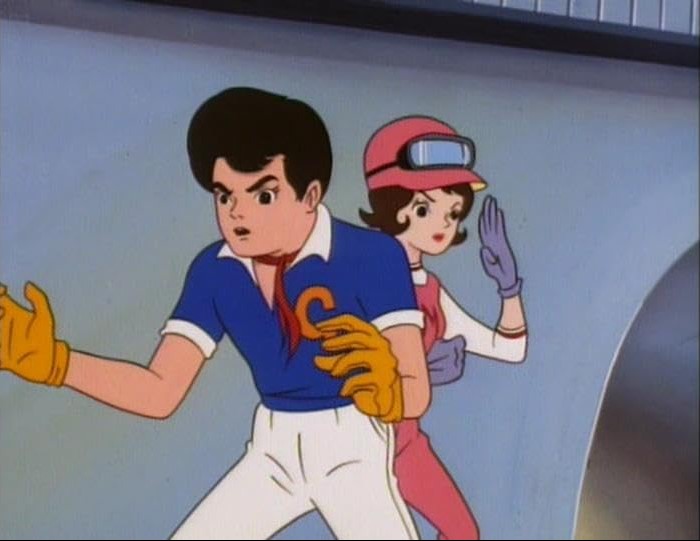
Along with vocal talents Corinne Orr, Jack Grimes and Jack Curtis, Fernandez had the difficult task of not only completely rewriting the episode scripts into English (while maintaining the basic storylines), but also fitting the new English dialogue to match the mouth movements of the animation―a challenge that resulted in Speed Racer‘s distinctive “sound,” with elongated sentences and plenty of “ah’s!” and “oh’s!” to fill the screen time of the characters’ mouthings.
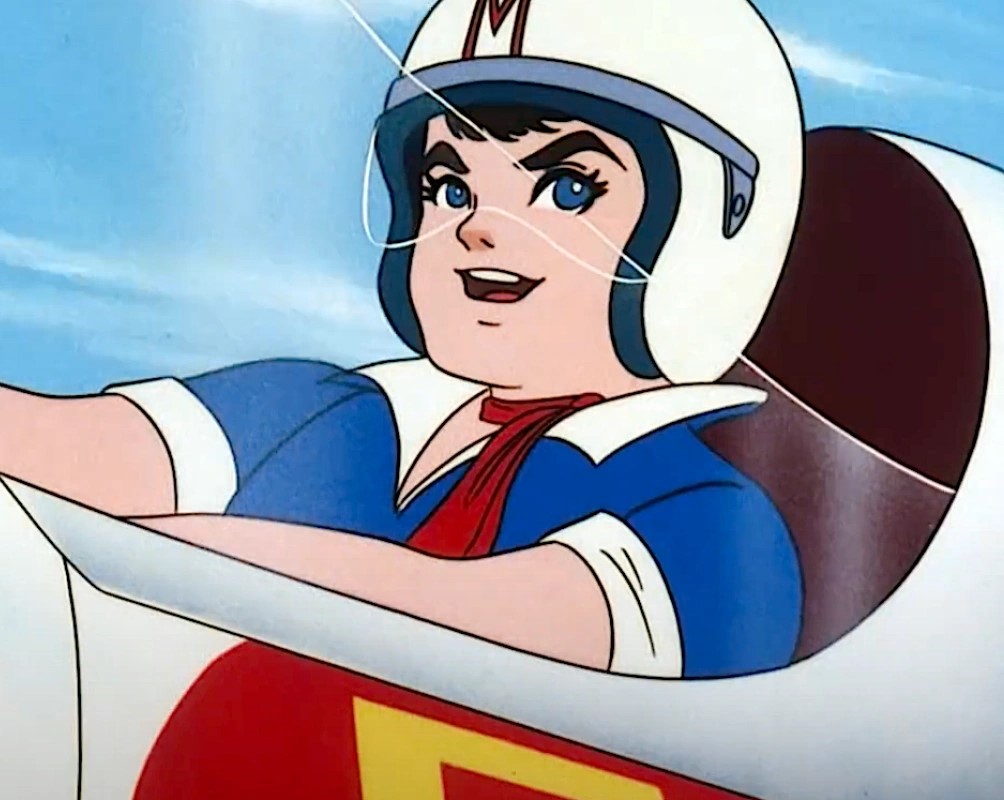
The storyline of Speed Racer is quite simple (and at times, admittedly, repetitive). Young would-be race car driver Speed Racer has something to prove. Possessing the gadget-filled Mach 5, one of the hottest cars on the planet (built by his engineering wizard of a father, Pops Racer), Speed wants to be the greatest racer in the world – if he can convince his father to let him race.
Once Pop reluctantly agrees, Speed is constantly pushing himself to improve his racing skills, frequently finding himself coming up short despite his innate, superior driving skills. Always learning, always improving, Speed is often aided in his pursuit of excellence by his large support network.
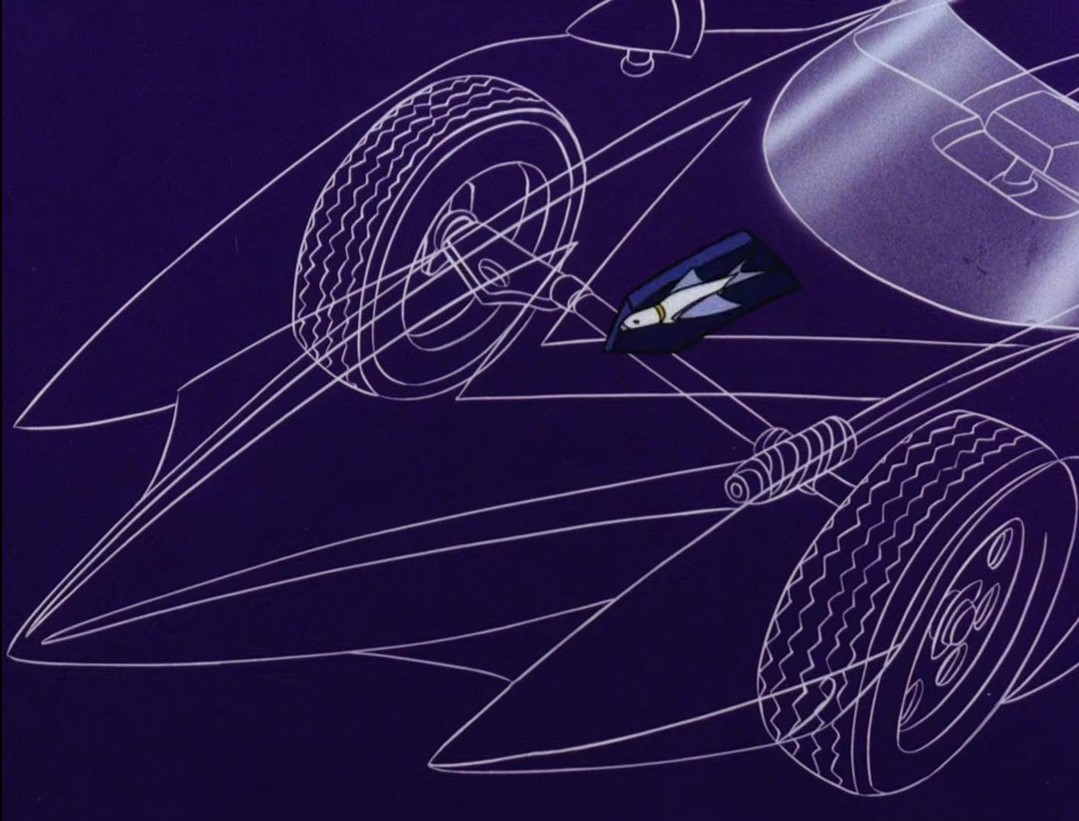
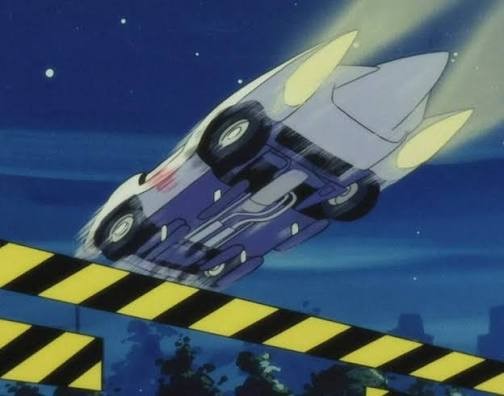
Pops, of course, is always improving and modifying the Mach 5, which has the ability, among other things, to submerge underwater, to cut down trees in its path courtesy of two large front-end buzz saws, to spring over large obstacles, and to send off a tape-recording robot homing pigeon to call for help.
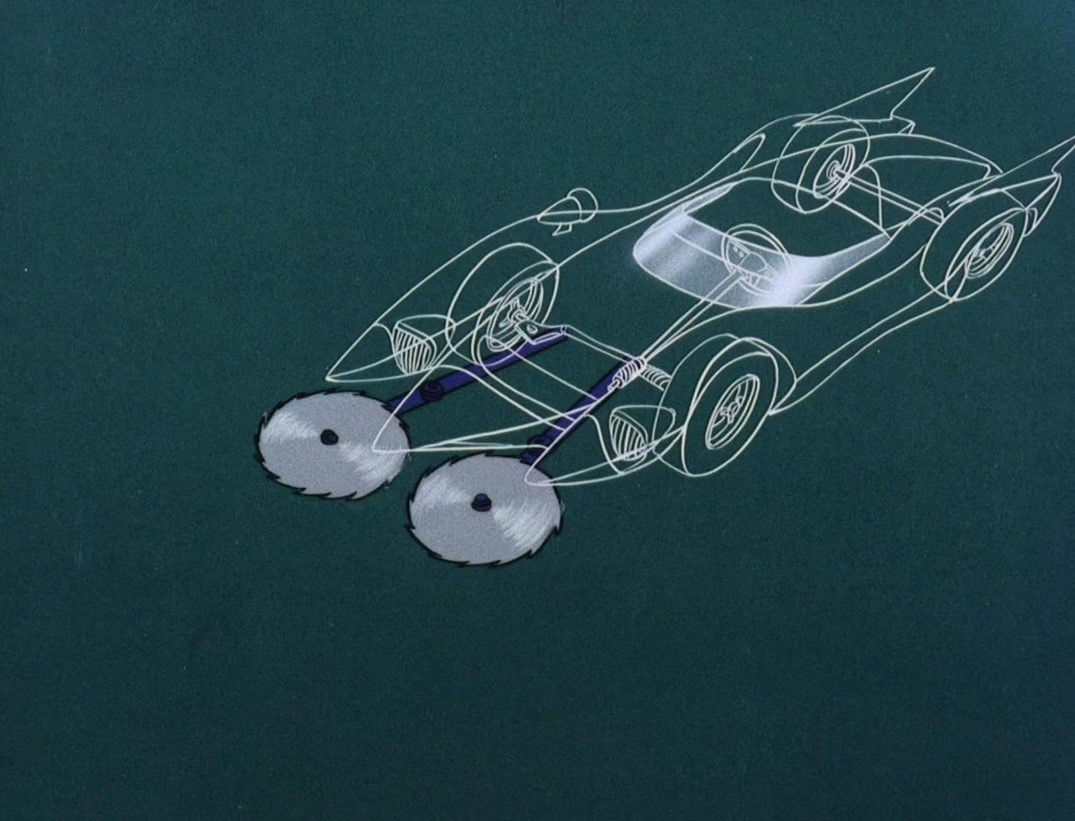
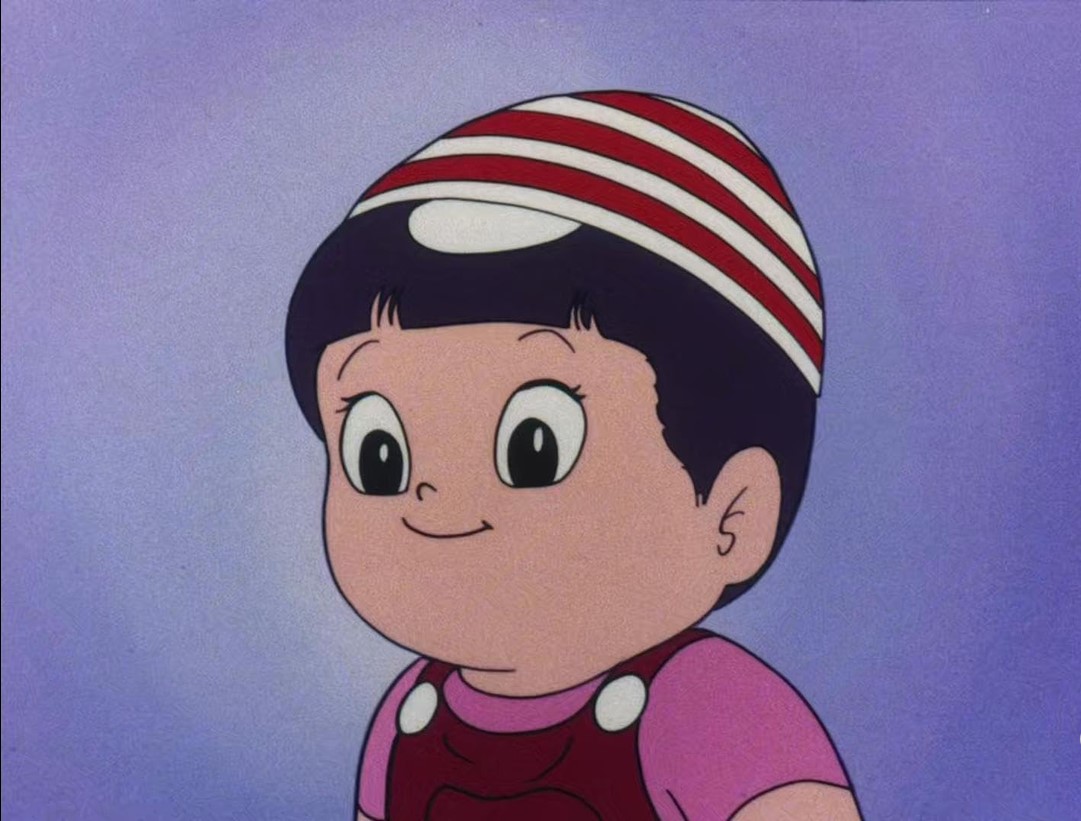
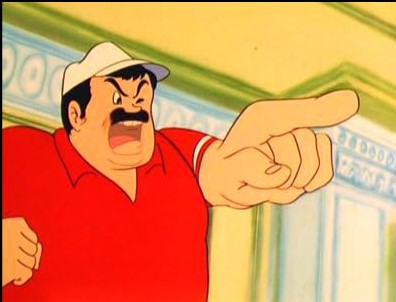
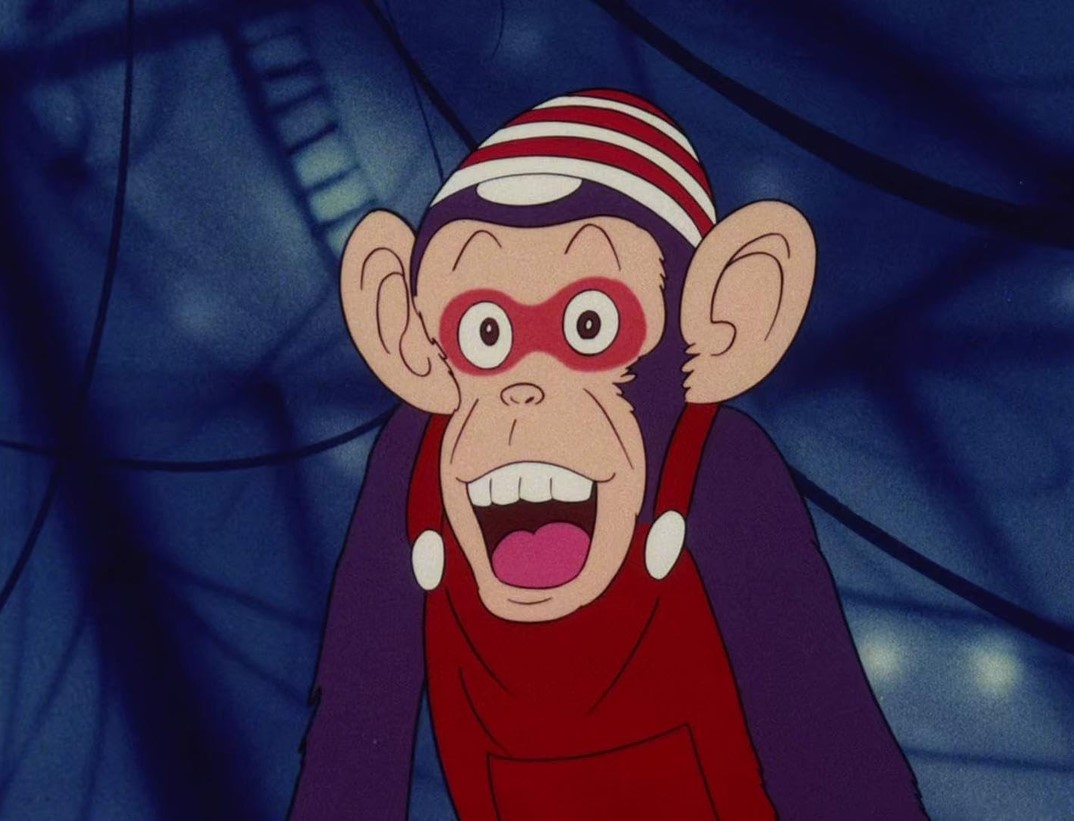
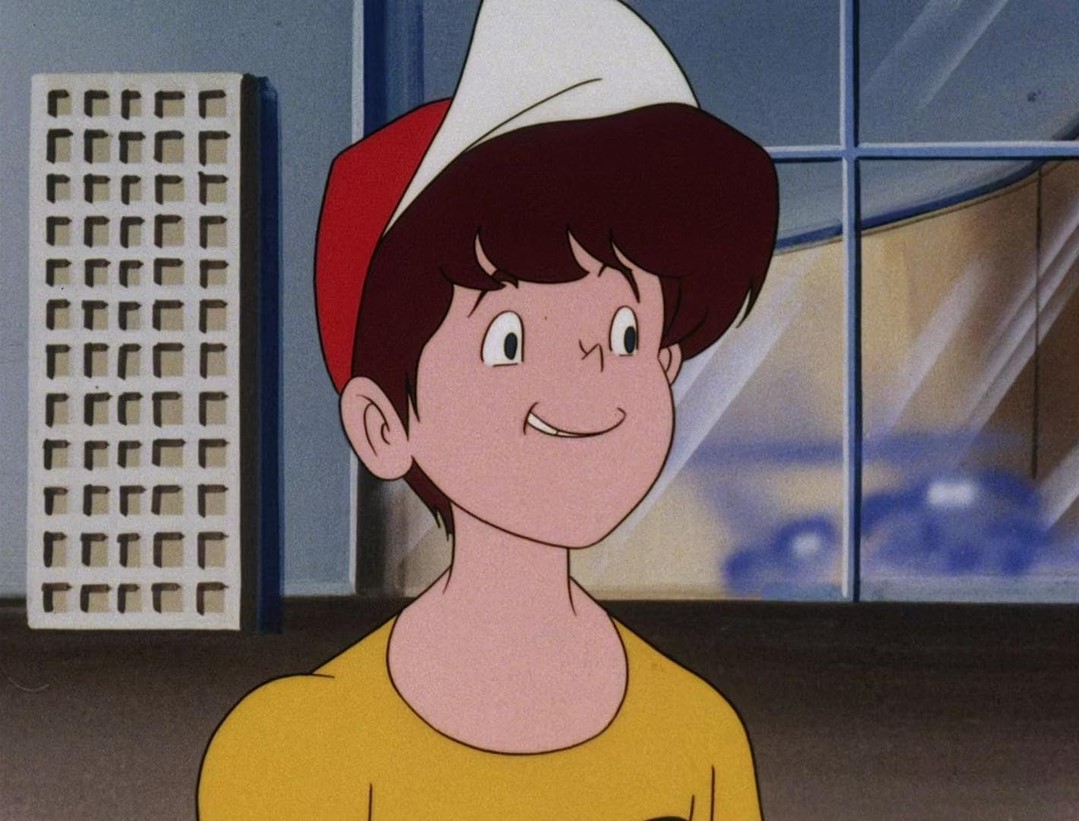
Mechanic Sparky also keeps the Mach 5 running in tip-top shape, while friend Trixie, who’s often jealous of the girls that fall for dreamy Speed, flies a mean helicopter when necessary―which is often when Speed and the Mach 5 find themselves stranded on some alpine ridge or volcanic abyss. Speed’s younger brother, Spritle, and his pet chimp Chim-Chim, are frequent stowaways in the Mach 5‘s trunk, and while Spritle can often be a nuisance (“I want some candy!”), he also manages to help Speed on numerous occasions.
RELATED | More cartoon/animation reviews
Most mysteriously, though, a strange figure, Racer X, also seems to keep a watchful eye over Speed, oftentimes showing up at a critical moment in the young racer’s life to not only save him, but also to offer a helpful lesson about life and racing.
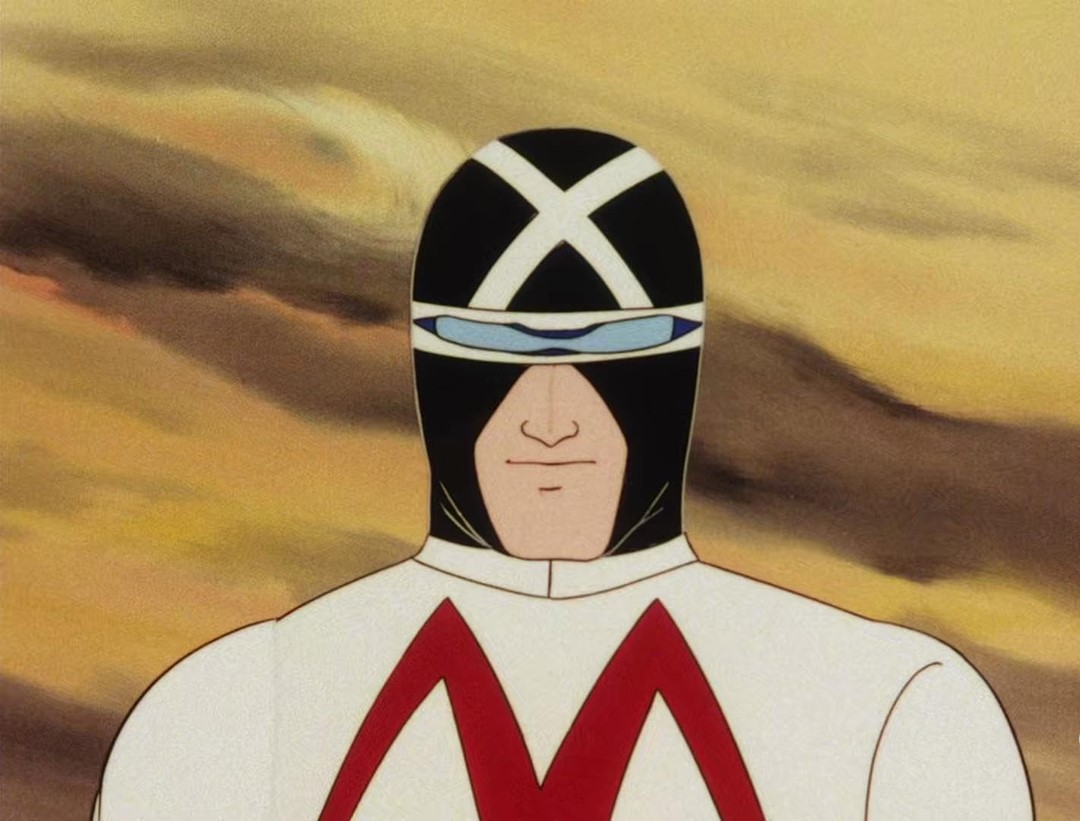
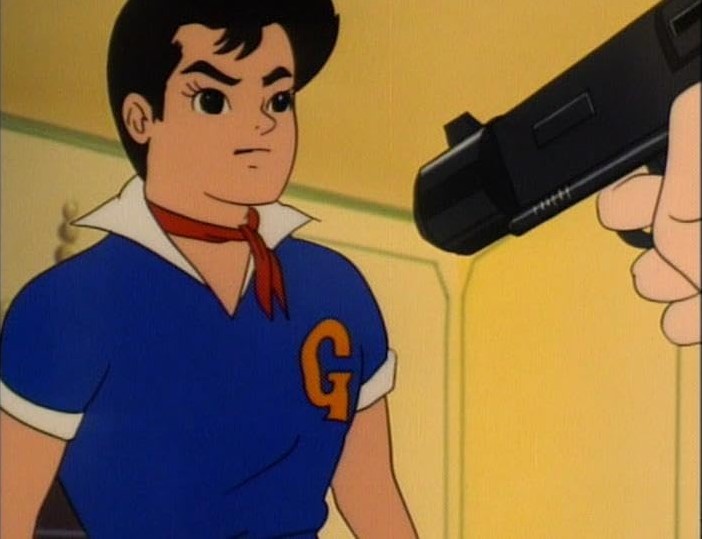
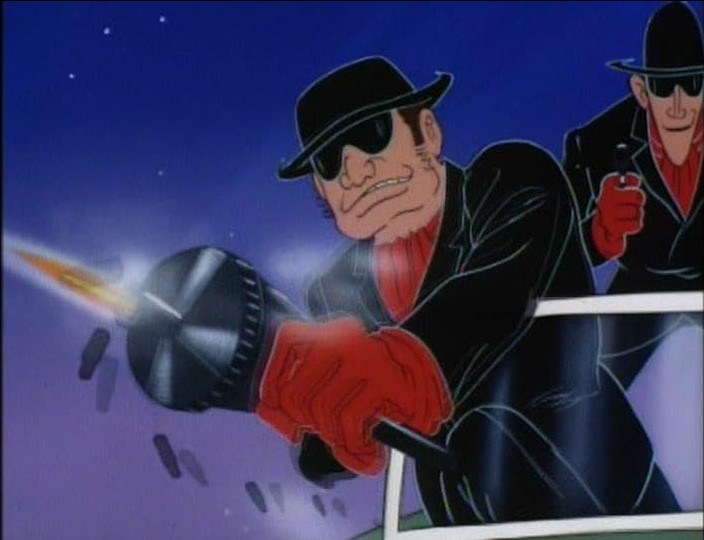
And it’s a good thing Speed has all these people, because he’s constantly set upon by a vast array of villains who crop up during Speed’s races; evil men bent on controlling the world, or stealing vast sums of money, or merely looking to bump Speed off during one of his harrowing races. Can Speed survive his daily challenges, and become the greatest race car driver in the world?
As a kid, watching Speed Racer was like watching a mini-James Bond film every afternoon, made especially for kids, with nothing like plots, dialogue, or complicated character motivations to get in the way of all the car chases and explosions. Speed Racer moved, and it didn’t look like anything out there at the time.
Watching it today, I wondered how it was going to hold up (especially after that whole Hair Bear incident). Of course, the first thing that grabs anyone is the visual design of the cartoon. Looking like nothing else animated back in the late 60s (at least as far as American cartoons go), Speed Racer, with its extreme, off-center close-ups, whip-pans, and vertiginous racing effects, resembles a comic book version of the Cinerama epic Grand Prix, which had premiered a year before Mach GoGoGo was produced, and which had many of same kinds of extreme racing visuals…if it was directed by say, Sergio Leone, with his massive, weird close-ups.
RELATED | More 1960s TV reviews
For a cheaply produced, limited animation, full-screen cartoon, there’s a true sense of scope and scale to the action here, something that still impresses today, despite the budgetary limitations. The action, as well, is more pronounced than even some big-screen thrillers from that time period (you’ll find more explosions and car wrecks in one half-hour episode here, than in all four of Dean Martin‘s Matt Helm spy flicks).
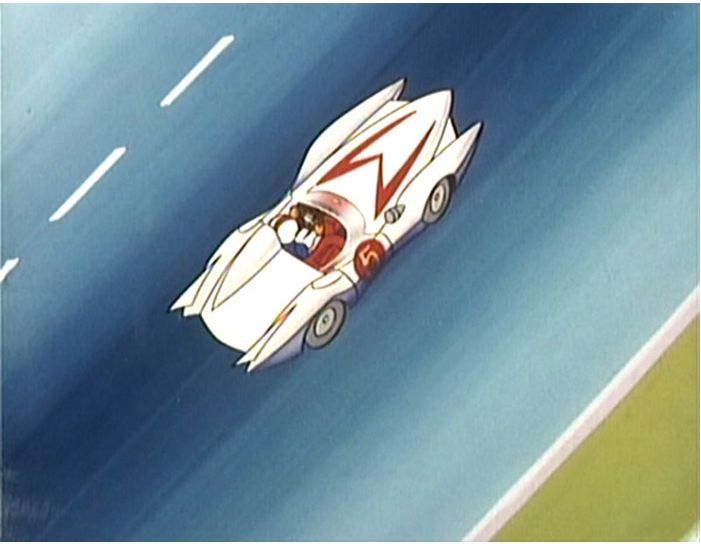
What I found particularly gratifying was the dark, determined nature of the violence, as well. Cars go over cliffs in each and every episode…and for the most part, the drivers don’t climb back up (like the Coyote every time he’s pounded in those Roadrunner Looney Tunes). They’re obviously dead (even better: show me another cartoon from this period that gleefully shows a guy getting stripped to the bone by ravenous piranha???).
And that finality adds weight to the often-times dark stories that involve greed, revenge, guilt and plain old murderous intent. That hyper-realism, mixed with the stories’ frequent use of surreal, outsized, fantastical, supernatural threats and villains, creates a delightfully bizarre world that still packs a semiological punch today.
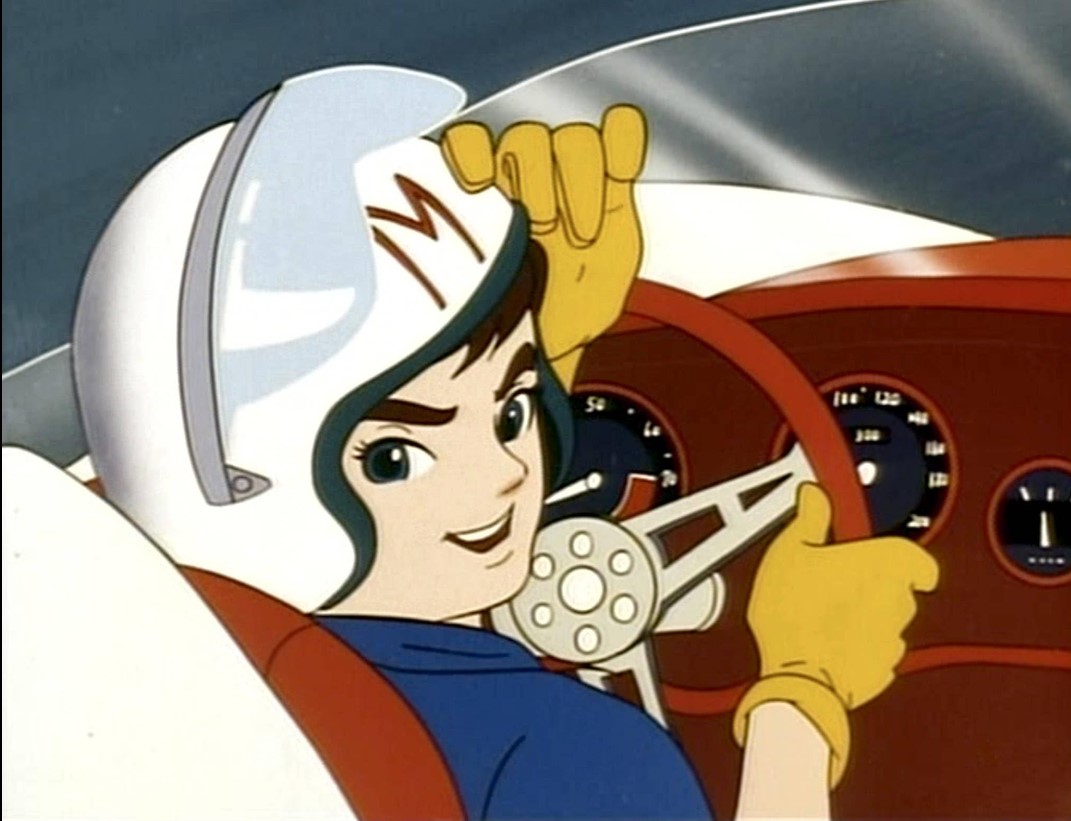
Character motivations, alongside the eye-popping action, are equally important to Speed Racer‘s success. What little kid doesn’t respond on a deeply submerged level to Speed’s constant need to prove himself capable in an adult world? His drive to master the physical world around him (through the Mach 5)? His desire to prove himself worthy of a parent and (absent) brother he idolizes? That’s Speed Racer‘s hook with kids, just as much as the cars going “VROOM VROOM VROOM!“
Watching the classic anime/cartoon Speed Racer, I was initially amused at how Speed made the Mach 5 perform all those physically impossible stunts…and then it occurred to me: that’s just how little boys play with their toy cars. Remember? We used to take them, and make them fly in the air, and climb straight up a chair, and do ridiculous flips and turns and smash-ups, all the while making revving and skidding and explosion noises, over and over again.
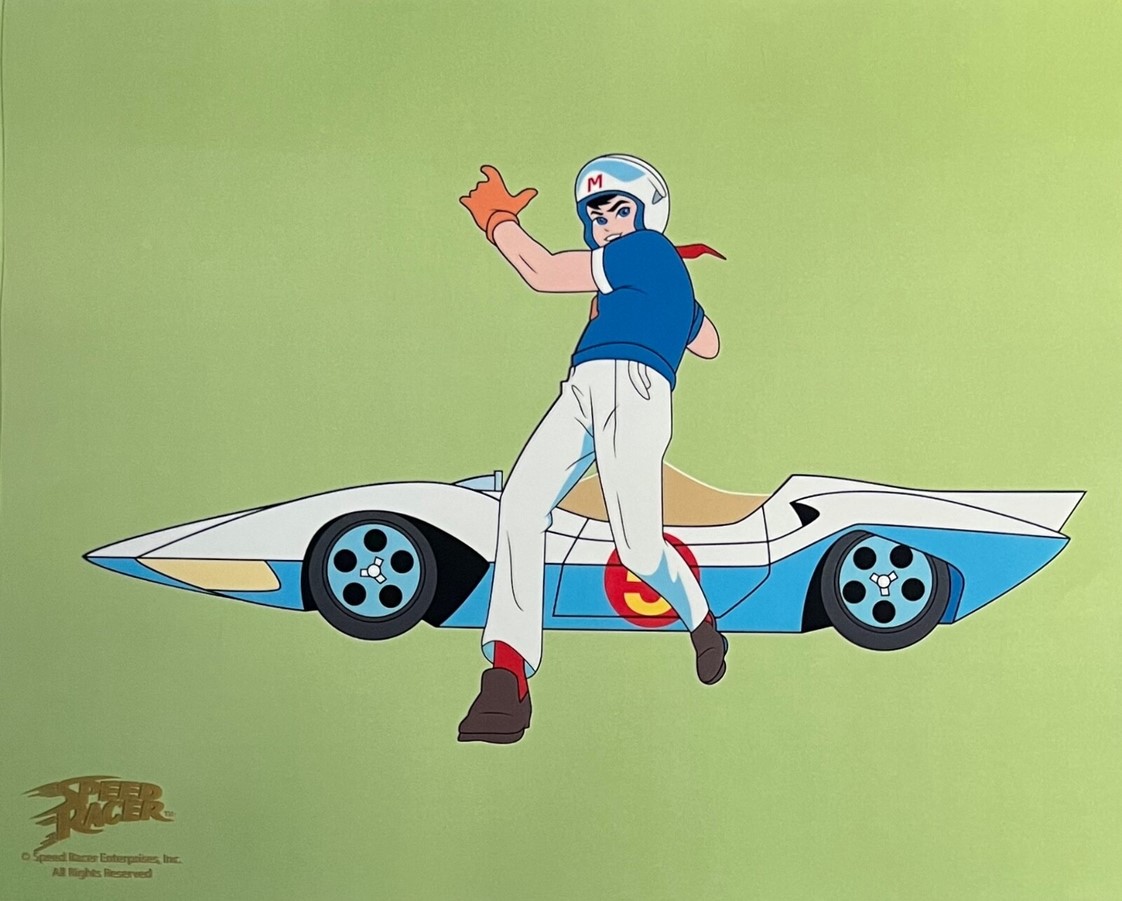
That’s also a central appeal of Speed Racer, and it’s impossible not to get caught up in its bizarre world of hyper-realism and surreal, outsized, supernatural fantasy. It’s a combination that’s just as potent today as it was almost sixty years ago. And while clichéd…it’s nice to see some childhood memories actually hold up so many years later.
Read more of Paul’s TV reviews here. Read Paul’s movie reviews at our sister website, Movies & Drinks. Visit Paul’s blog, Mavis Movie Madness!…but mostly TV.


I think this was on Nashville’s then indie WZTV when I was a teen. I just remember 1 plot, where the US President is the subject of a murder plot involving his VP. The VP gets cold feet and drives himself & the other bad guys off a cliff. I guess this one had a high death rate for kids’ cartoons.
LikeLike